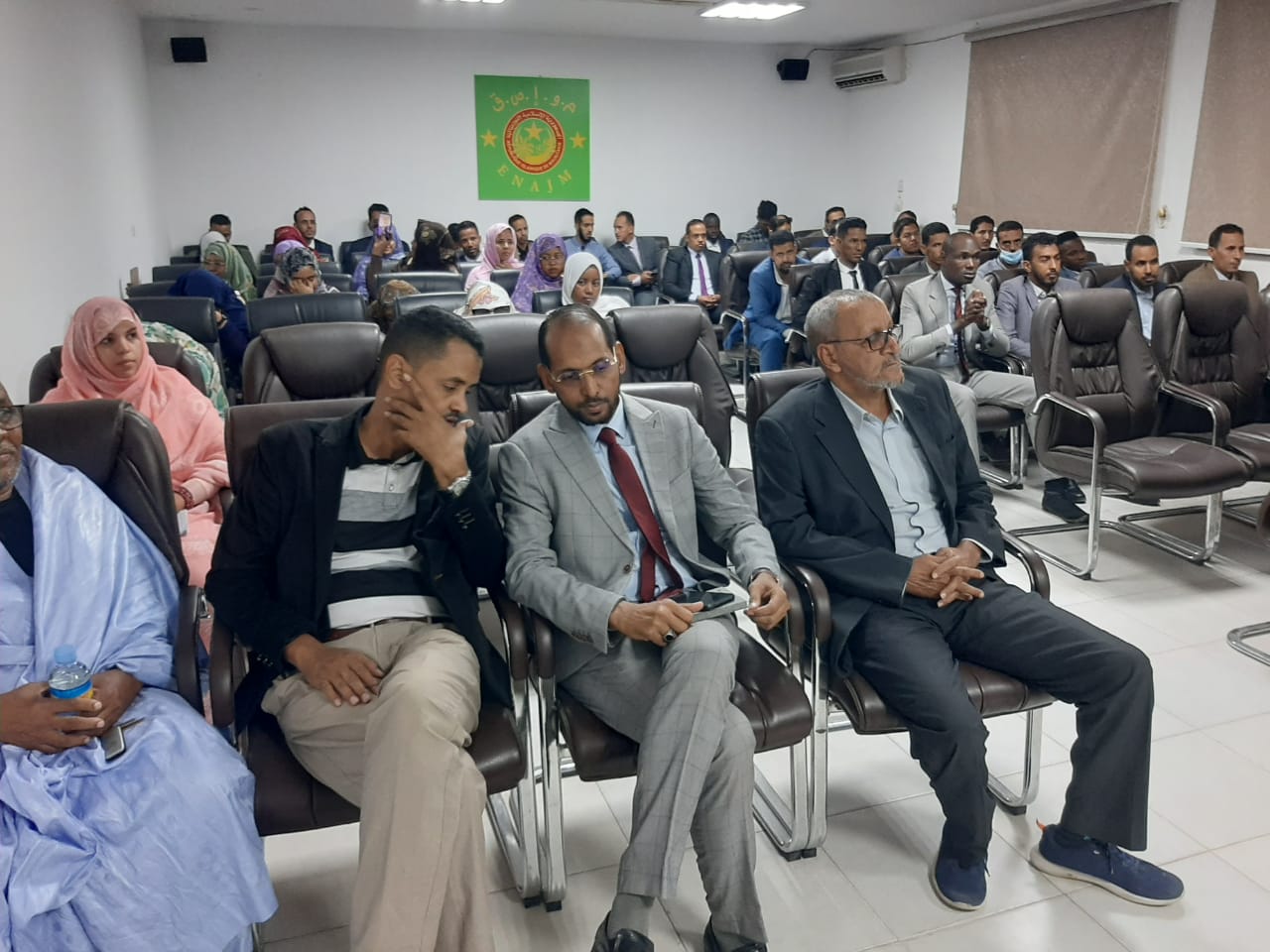
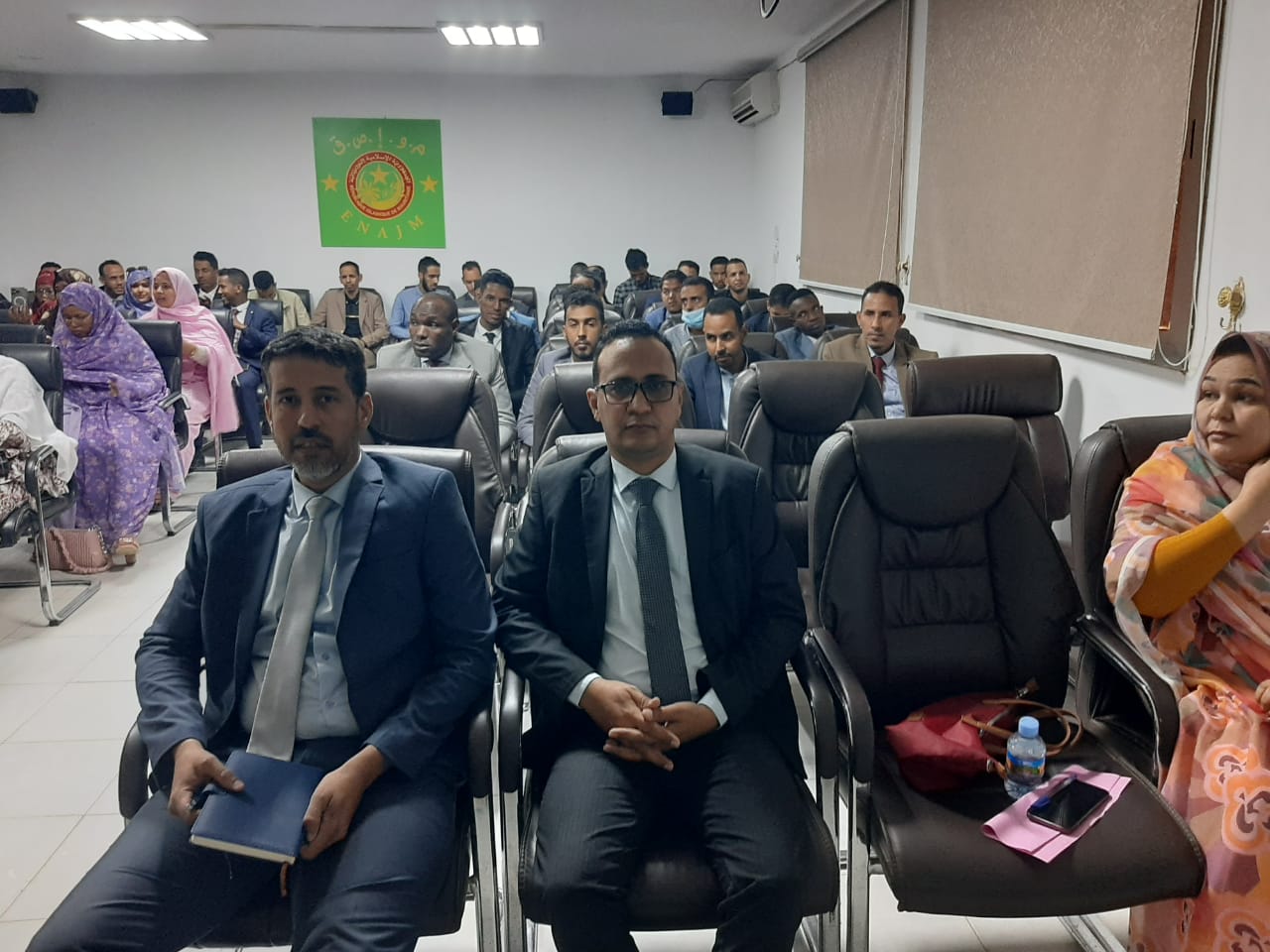
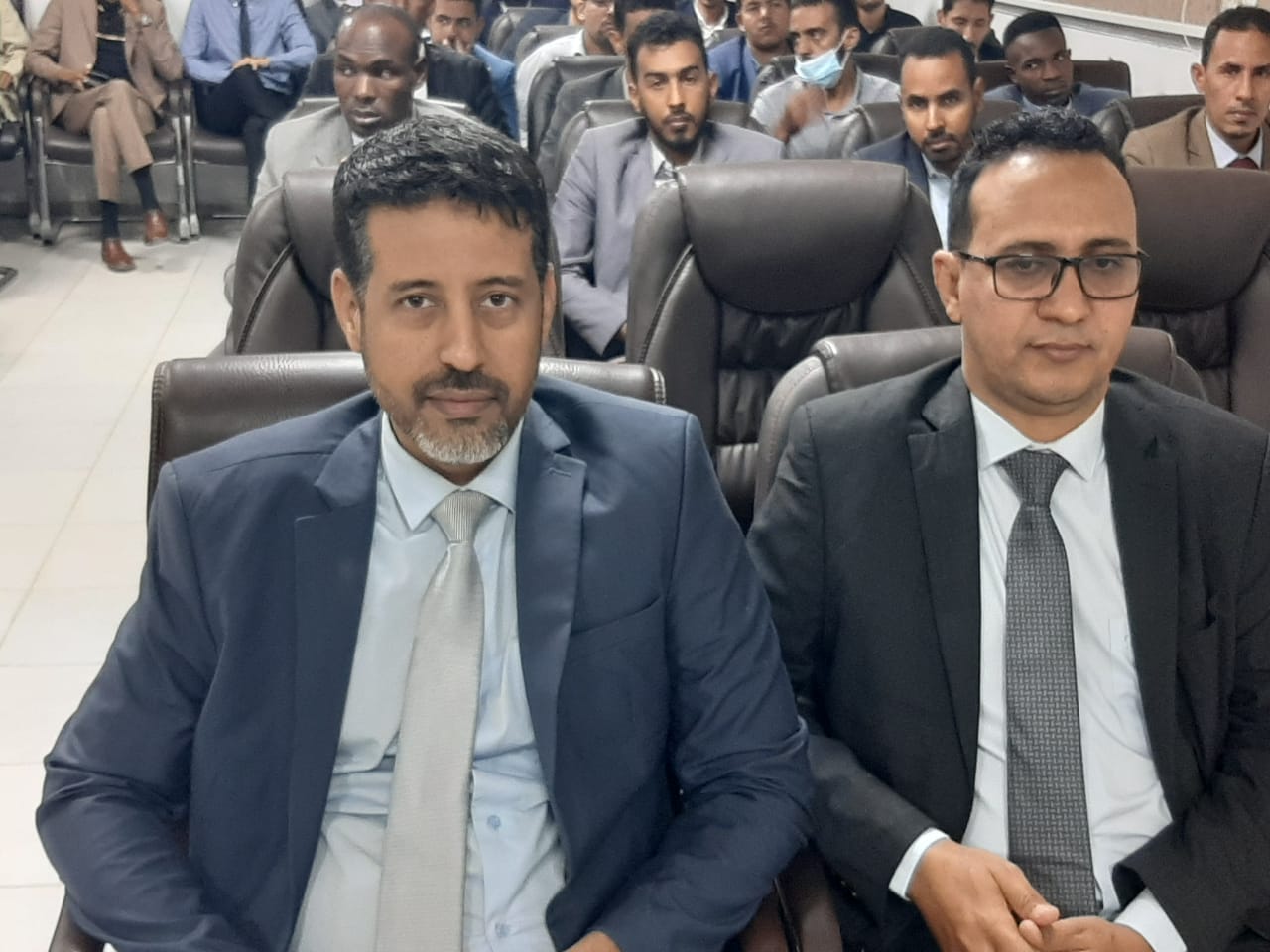
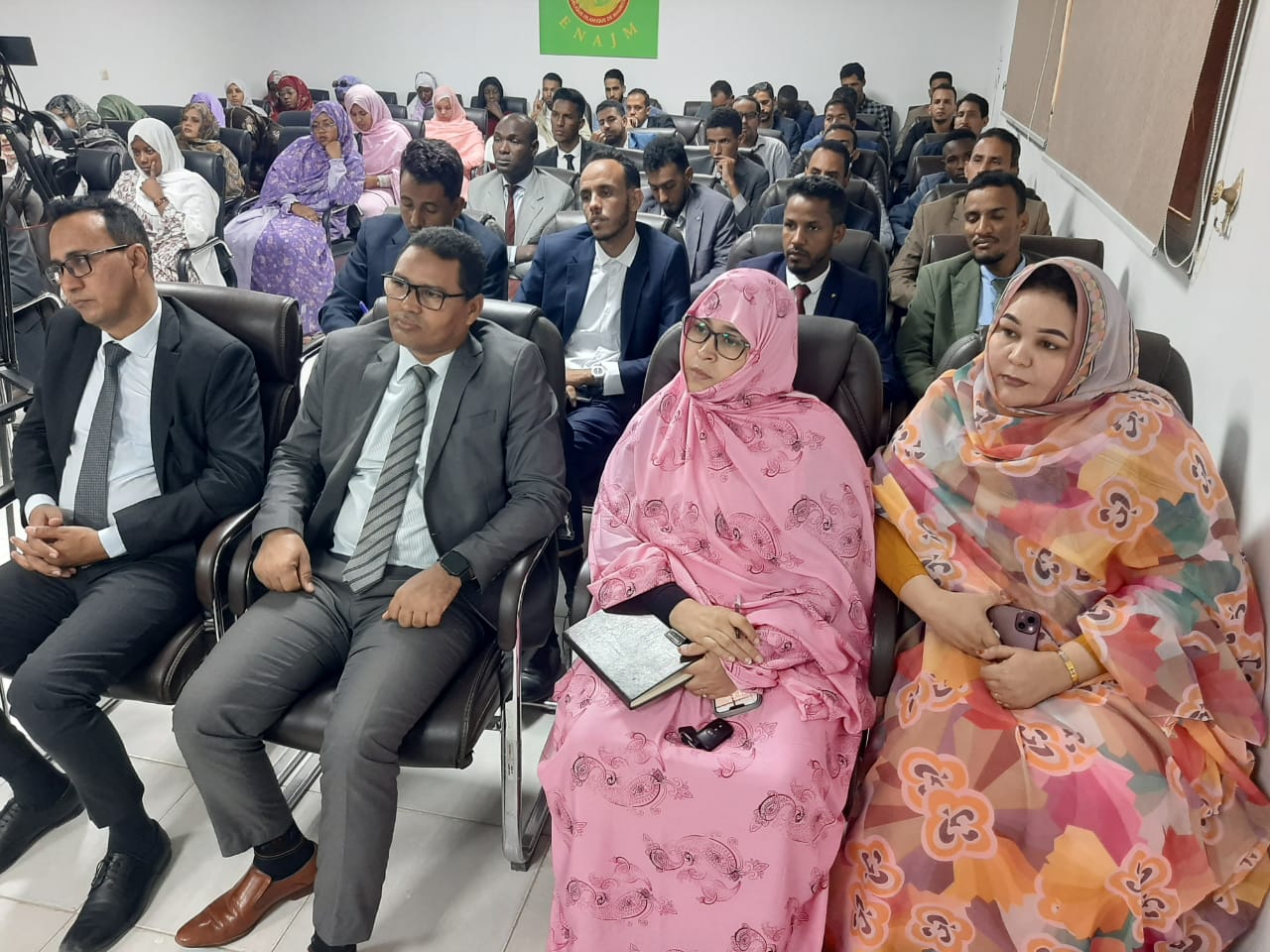
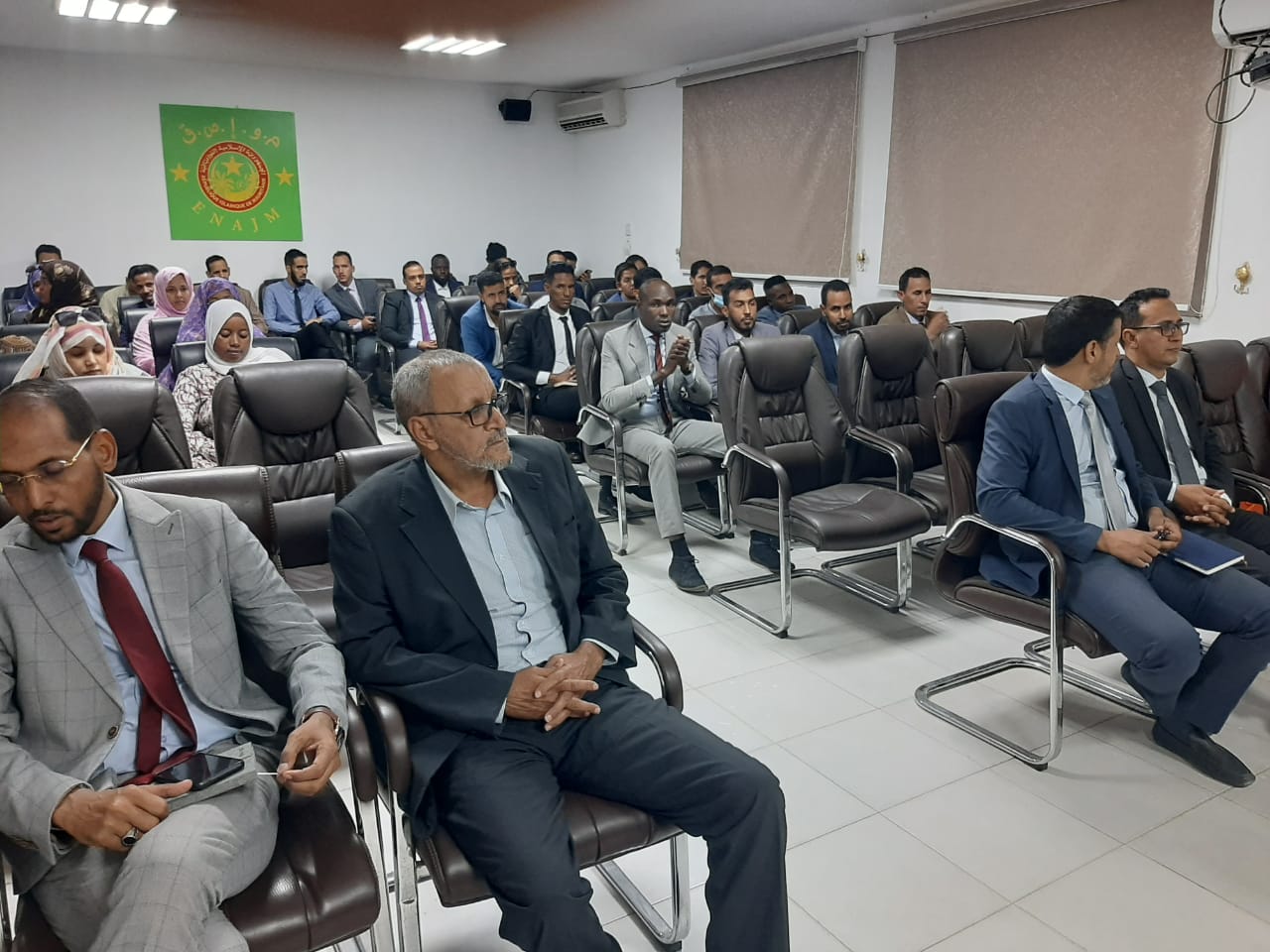
On the morning of Saturday 12 April 2025, the National School of Administration, Journalism and Magistracy held a lecture entitled “The legal liability of controllers and auditors”, as the fifth session of the “Experience Talks” series launched in early March by the School’s Director General, Dr Mohamed Yahya Ould Saïd.
The lecture was given by former minister and expert Isselmou Ould Mohamed, in the presence of the Director General, civil-servant trainees and members of the administrative and teaching staff. He began by reviewing milestones in his career and the experience he gained in various oversight and advisory roles.
He then discussed the importance of the “principle of reward and sanction” in the administrative system, particularly in control and audit, and outlined the challenges faced by controllers and auditors: a weak civil society, the poor qualifications of some so-called chartered accountants, and the political and social constraints affecting oversight work.
He distinguished between ex ante control, aimed at prevention, and ex post control, focused on evaluation, highlighting preventive control as a safeguard for institutions, and called for upholding the separation of powers and selecting staff on the basis of competence and integrity, cornerstones of sound institutional practice.
He also analysed the roles of the various oversight bodies — internal inspectorates, the General Inspectorate of Finance and the Court of Auditors, to which he devoted much of his talk given its importance for transparency and accountability.
The speaker stressed adherence to the law as the primary reference for inspectors and auditors, warning that disregarding the law threatens the stability of the State and that fighting misconduct starts with respect for legality at the highest level.
In closing, Mr Isselmou Ould Mohamed offered the trainees several pieces of advice: keep training, broaden their knowledge, master languages and stay attached to printed books as a stable and reliable source of lifelong learning.
The session prompted many questions, including:
- Does programme budgeting require a comprehensive and ongoing evaluation policy?
- What tools exist to fight administrative and financial corruption?
- What criteria are used to select inspectors?
- Does an accountant’s liability lapse over time (statute of limitations)?
These exchanges reinforced the practical nature of the lecture and the link between theory and practice, enriching the trainees’ learning experience and their awareness of their future professional roles.