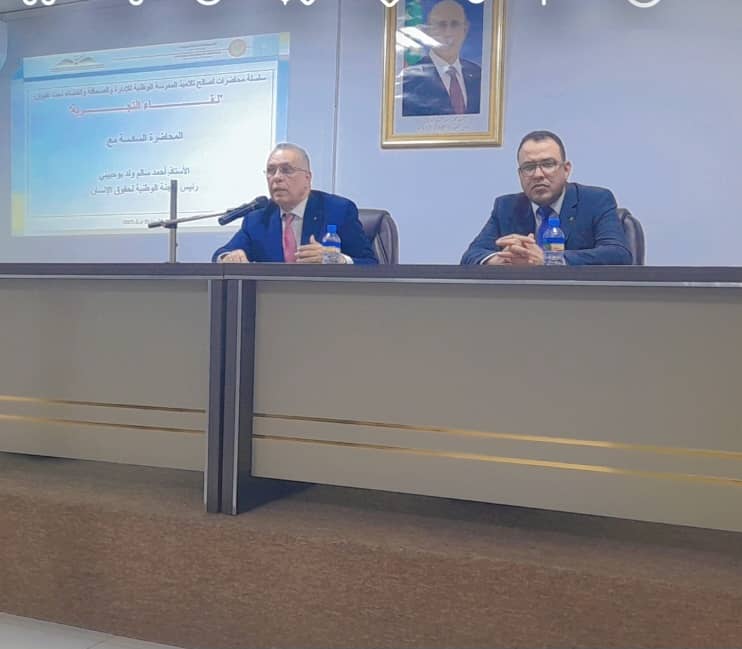
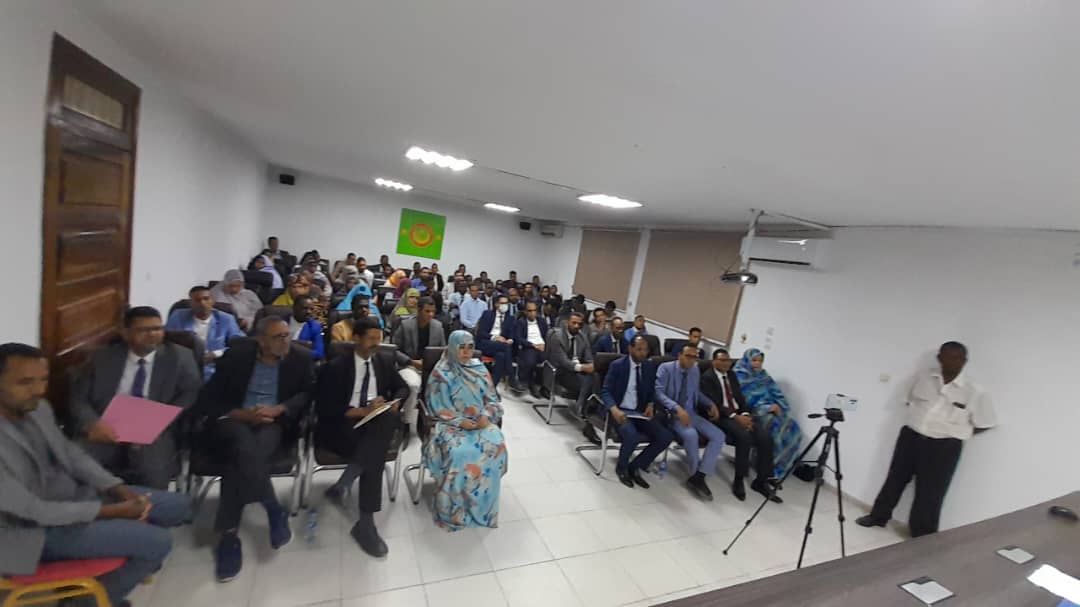
On the morning of Saturday 19 April 2025, the National School of Administration, Journalism and Magistracy held a lecture as the sixth session of the “Experience Talks” series launched in early March by the School’s Director General, Dr Mohamed Yahya Ould Saïd.
The lecture was given by the former President of the Bar and current President of the National Human Rights Commission, Ahmed Salem Bouhoubeyni, who has extensive experience combining legal practice and human rights work.
He began by reviewing his personal career, stressing the importance of basic training and accumulated experience, and noting that professional work requires continuous development of skills and knowledge.
He then described his work as head of the National Human Rights Commission, explaining its powers, the boundaries of its relationship with the authorities, its role in promoting a culture of rights and freedoms, and its cooperation with relevant international bodies.
He discussed the Commission’s role in receiving and following up complaints, citing real cases in which the parties concerned were summoned and matters settled in a way that protected individuals’ rights. He said that since taking office he had made a point of using all the Commission’s powers, enabling field visits across the country, particularly to address the legacy of slavery; these visits helped turn theoretical debate into concrete practice. They also covered prisons and detention centres.
He stressed that the Commission prepares its reports with complete independence and impartiality, which strengthens its credibility, citing a previous report on justice that attracted wide attention for its objective findings revealing shortcomings in judicial procedures.
He explained that the Commission’s commitment to independence and full use of its powers had earned it the international “A” status for national human rights institutions, a rating held in the region only by Mauritania and Morocco.
He attributed this success to the responsiveness and positive attitude of the public authorities towards the Commission, which has had a tangible impact on citizens’ lives, both in fostering a human rights culture and in supporting local development, citing several examples.
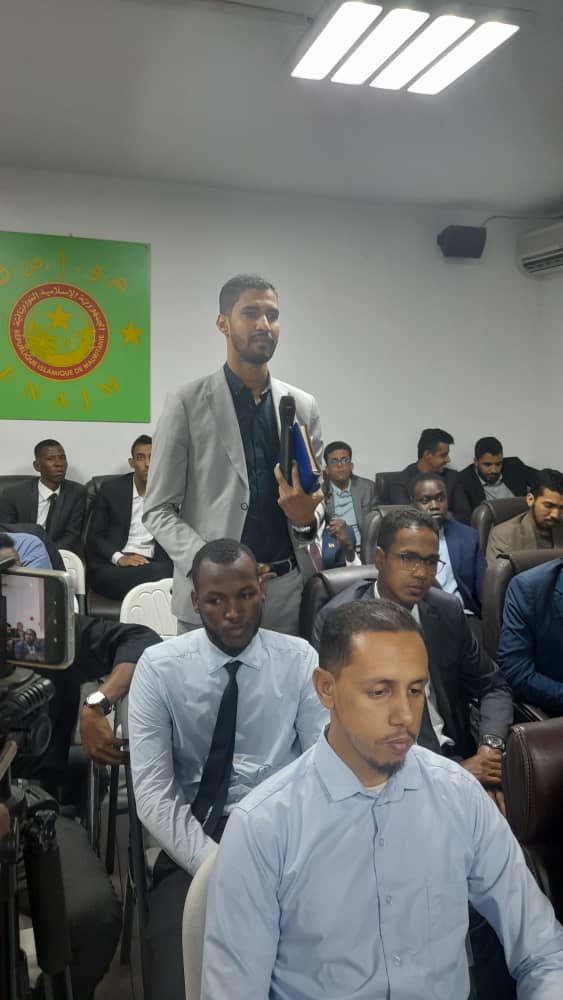
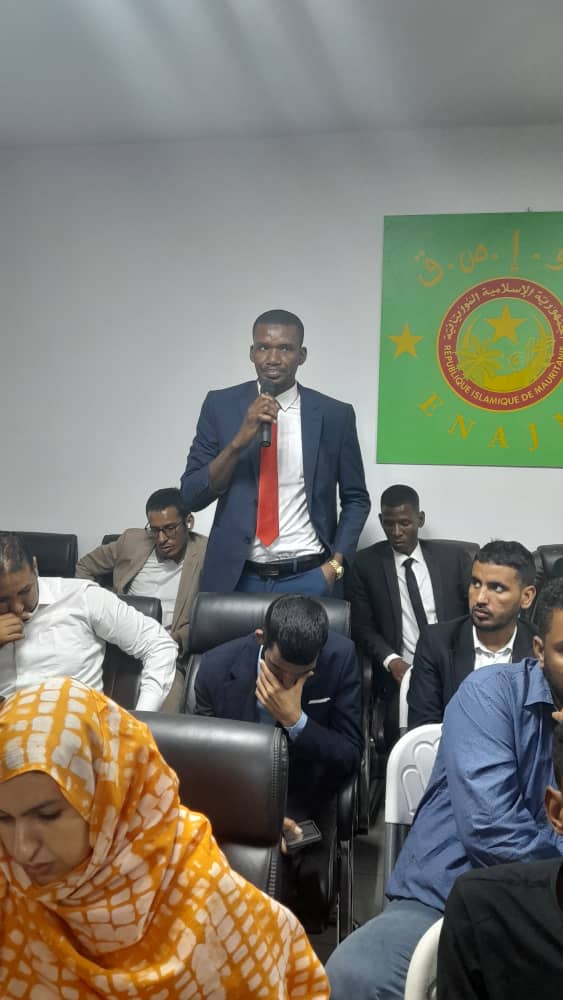
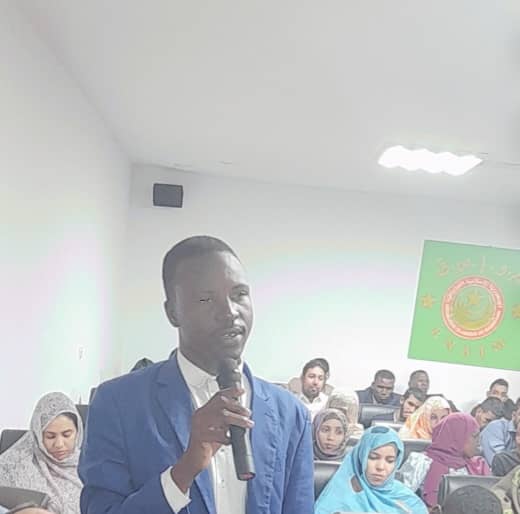
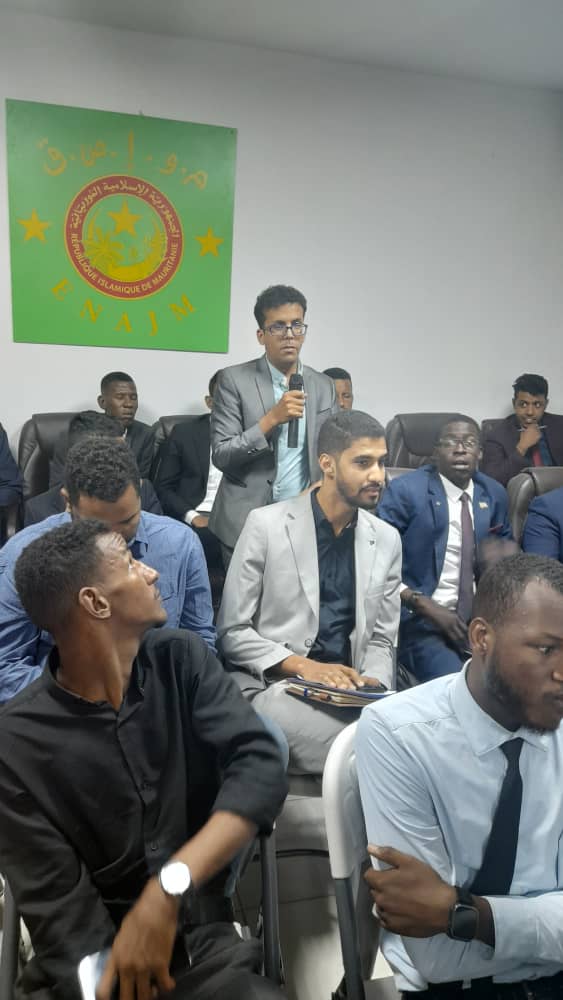
The session drew many questions on legal, professional and human rights matters; this exchange strengthened the practical dimension of the lecture and connected theory to reality, enriching the trainees’ learning and their awareness of their future professional roles.
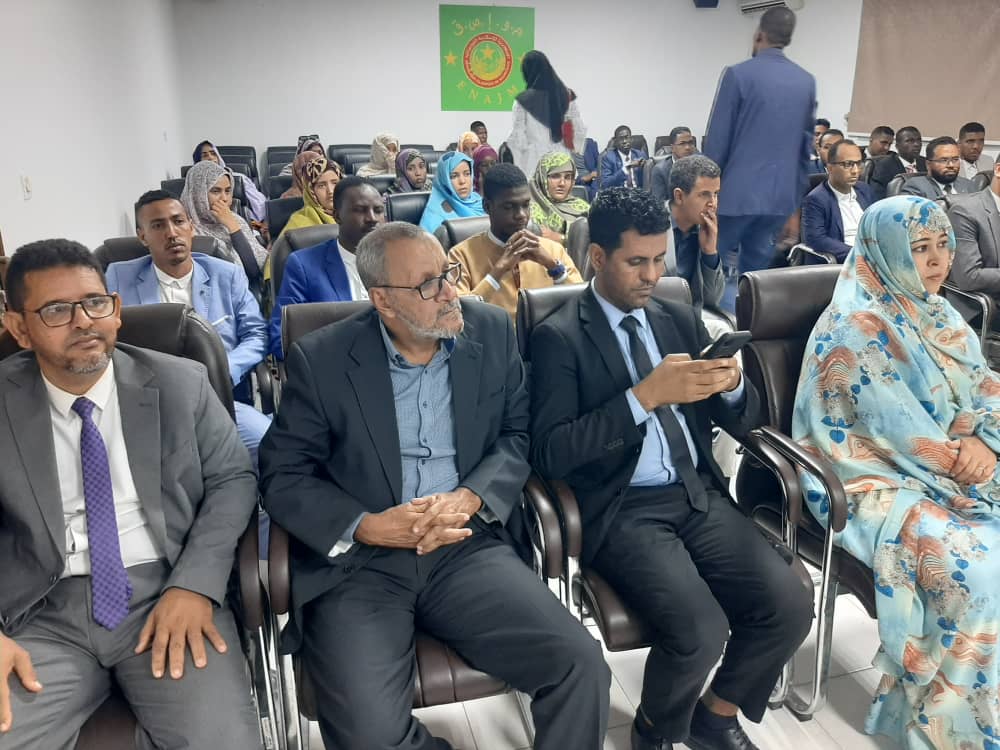
Several members of the School’s administrative and teaching staff attended alongside the Director General.